
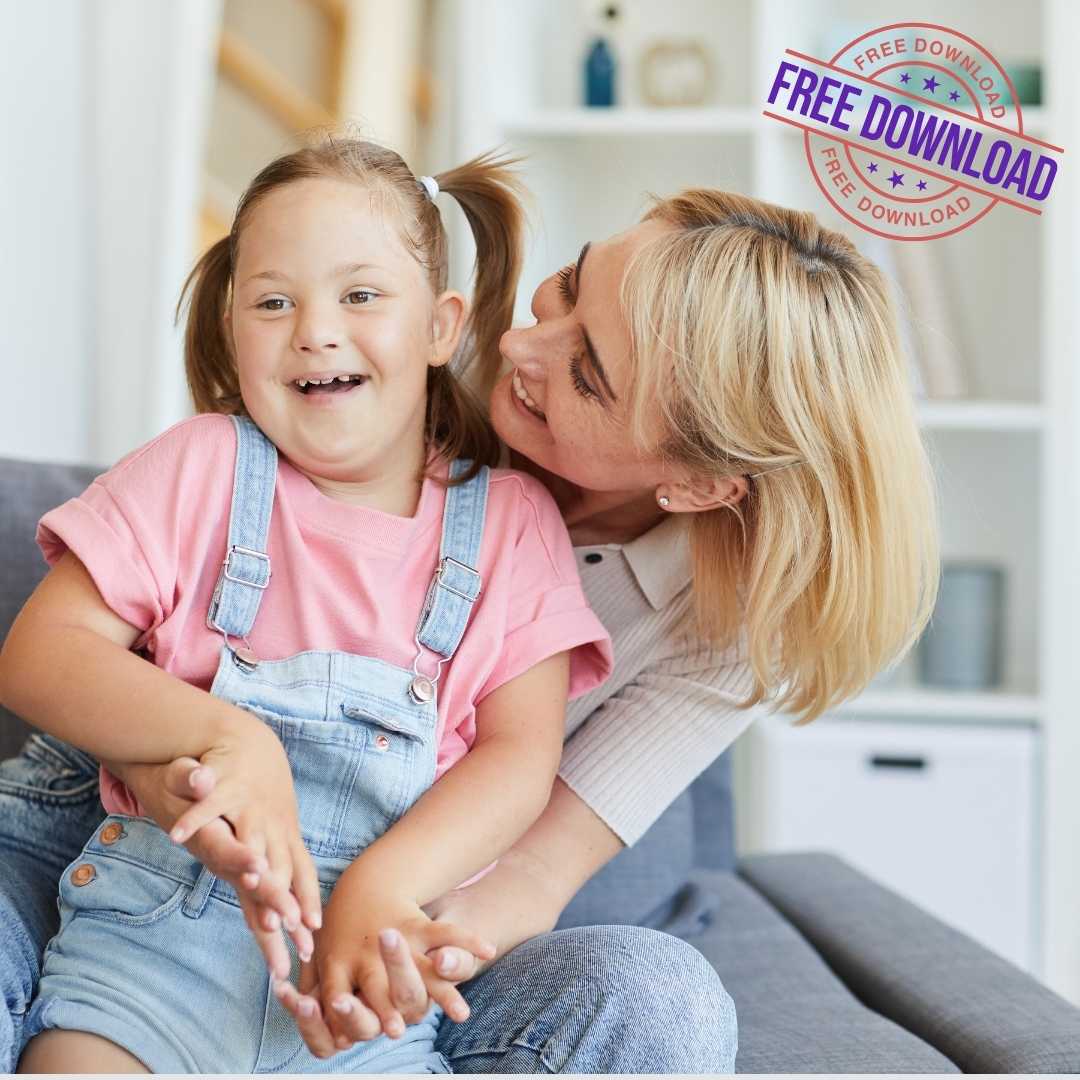
How KWS Empowers and Protects Young Children with Disability
The first three years of a child’s life are a critical window for language development. During this time, a child’s brain is growing rapidly, laying the foundation for lifelong communication, learning, and social connection. But for some children with disability, spoken language may emerge later—or not at all. That’s where Key Word Sign can make a huge difference.
Key Word Sign is a communication tool that combines spoken words with signs taken from Auslan (Australian Sign Language). Unlike full Auslan, Key Word Sign is designed for children and adults who have delayed or limited speech. It’s used alongside natural speech and gestures, supporting understanding and expression in meaningful, everyday contexts.
Why the Early Years Matter
For all children, early language development happens through consistent, responsive interaction with the people around them. But for children with disability—such as global developmental delay, Down syndrome, or autism spectrum disorder— language may be delayed. Without support, these children may become frustrated when they can’t communicate their needs, leading to challenging behaviours or social withdrawal.
This is where Key Word Sign shines. It helps bridge the communication gap, giving children a way to express themselves before (or alongside) spoken words. When adults consistently model signs during daily routines—like meals, play, nappy changes, and storytime—children begin to associate signs with meaning. This builds their understanding and encourages their attempts to communicate.
The Power of Visual Language
Many children with disability are strong visual learners. Key Word Sign taps into this strength. The visual nature of signing makes language more accessible and concrete, supporting the development of receptive language (understanding) as well as expressive language (speaking or signing).
Even if a child doesn’t yet have the fine motor skills to produce signs accurately, they benefit from seeing signs used regularly. Over time, many children begin to use simple signs like more, finished, help, or plane to communicate their needs, wants and interests. These early successes build confidence and reduce frustration—for both the child and their caregivers.
Supporting Safety Through Communication
Being able to communicate is a powerful protective factor for children. When children can understand and express themselves, they’re more likely to ask for help, describe something that’s happened, or tell a trusted adult when something doesn’t feel right. This is especially vital for children who may not yet use spoken language or who have a disability that affects their communication.
Key Word Sign helps children build a functional vocabulary that includes not just everyday needs, but also words like stop, no, hurt, or help. These signs can support children to set boundaries, report harm, and feel more in control of their world. Educators, carers and family members who learn and use KWS are better equipped to notice and respond to these vital messages.
More Than Words: Building Connection
Using Key Word Sign is more than a communication strategy—it’s a way to connect. Signing slows down adult speech, encourages eye contact, and invites shared attention. These are the building blocks of strong, trusting relationships, which are essential for all children’s development.
Free Resource: Start Signing Today
To help you get started, we’ve created a free downloadable PDF eBook that introduces the benefits of Key Word Sign, includes tips for getting started, and features 4 high-impact signs perfect for getting started.
Download your free eBook here [eBook – KWS for parents and carers]
By introducing Key Word Sign early, we empower children with disability to be seen, heard, and understood—right from the start.
