
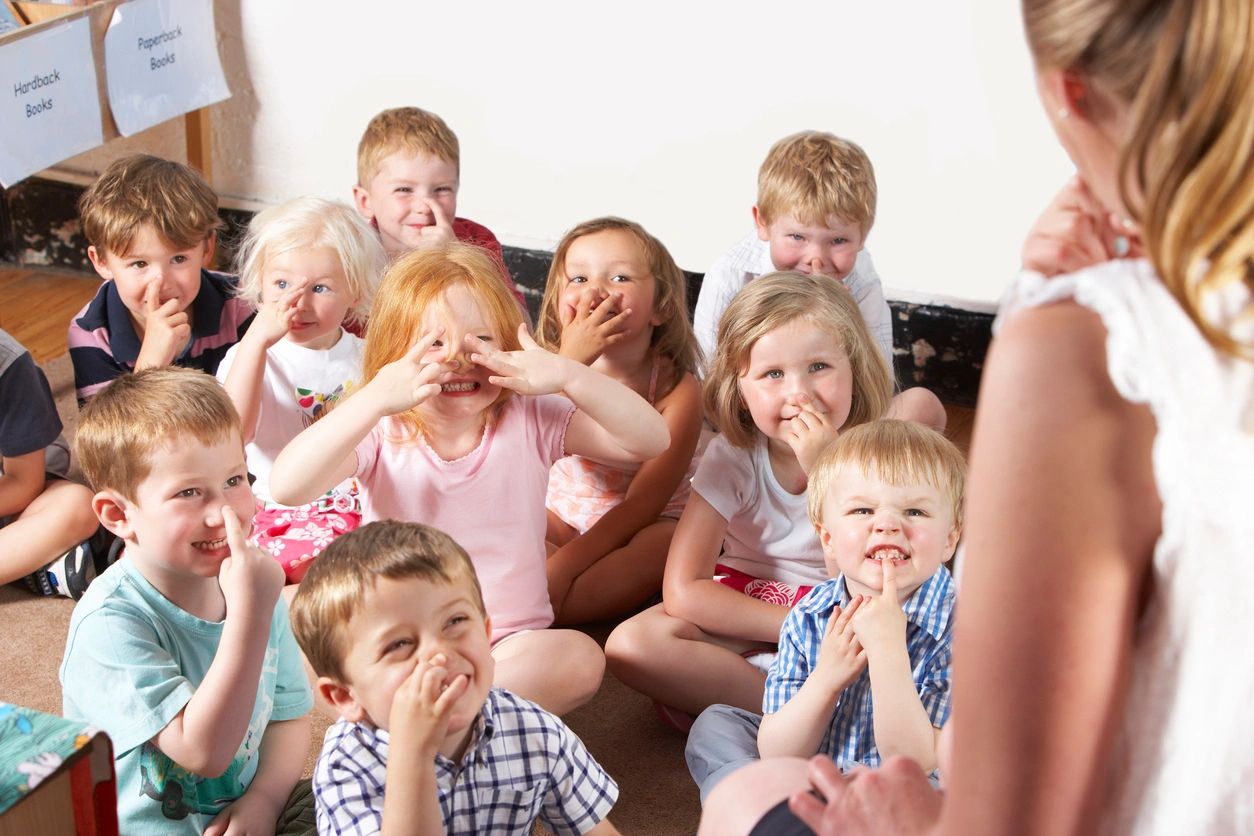
Sign language in early childhood education!
If you’re reading this, you’re probably curious about how baby sign language could be a game-changer in child care. Well, let’s dive right in and explore why incorporating baby sign language can make a world of difference in your child care services!
What is Baby Sign Language?
Before we get into the benefits, let’s start with the basics. Baby sign language is a collection of simple hand gestures and signs that babies can use to communicate before they can speak. It’s inspired by Australia Sign Language (Auslan) but tailored for infants and toddlers. Think of it as a bridge between baby babble and full-fledged sentences!
1. Boosts Communication Skills Early On
One of the most significant advantages of baby sign language is that it helps babies communicate their needs before they can talk. Imagine a frustrated baby trying to tell you they’re hungry or tired but lacking the words. Baby sign language provides a way for them to express those needs with simple signs like “more,” “milk,” or “finished.” This early form of communication can reduce tantrums and make interactions more pleasant for everyone.
2. Enhances Cognitive Development
Using baby sign language doesn’t just help with communication; it also stimulates cognitive development. When babies learn signs, they are engaging in a form of symbolic thinking. This means they start understanding that one thing (a sign) can represent another (an idea or object). This cognitive leap is a crucial foundation for future language skills and can even boost overall brain development.
3. Strengthens the Bond Between Caregivers and Babies
Building a strong connection with a baby can sometimes be challenging, especially when you’re dealing with a crying infant who can’t tell you what’s wrong. Baby sign language can be a wonderful tool for deepening that bond. When babies see that their caregivers are responding to their signs, it creates a sense of trust and mutual understanding. It’s a win-win for everyone involved!
4. Reduces Frustration and Tantrums
We’ve all seen those moments when babies are crying and fussing, and it feels like you’re playing a guessing game trying to figure out what’s wrong. Sign language can help reduce this frustration. By teaching babies to sign things like “please” or “help,” you give them a way to communicate their needs without resorting to screaming or tantrums. This not only makes the baby’s life easier but also helps create a more peaceful environment for everyone.
5. Fosters Inclusion and Accessibility
Lastly, incorporating baby sign language into child care services promotes inclusivity. It’s a step towards creating an environment where communication barriers are minimized, not just for children who use signs but for everyone. It’s about making sure every child’s needs are met in the most effective and considerate way possible.
Baby sign language isn’t just a cute trend; it’s a practical, effective tool that can enhance communication, cognitive development, and overall care for babies. It strengthens the bond between caregivers and babies, reduces frustration, and supports early language development. Plus, it’s a fun and engaging way to create a more inclusive and supportive environment.
Whether you’re a parent, a daycare provider, or someone involved in child care services, giving baby sign language a try could be one of the best decisions you make for the little ones in your care. Why not start today and see how it transforms your interactions with the babies you care for?
Happy signing!
