
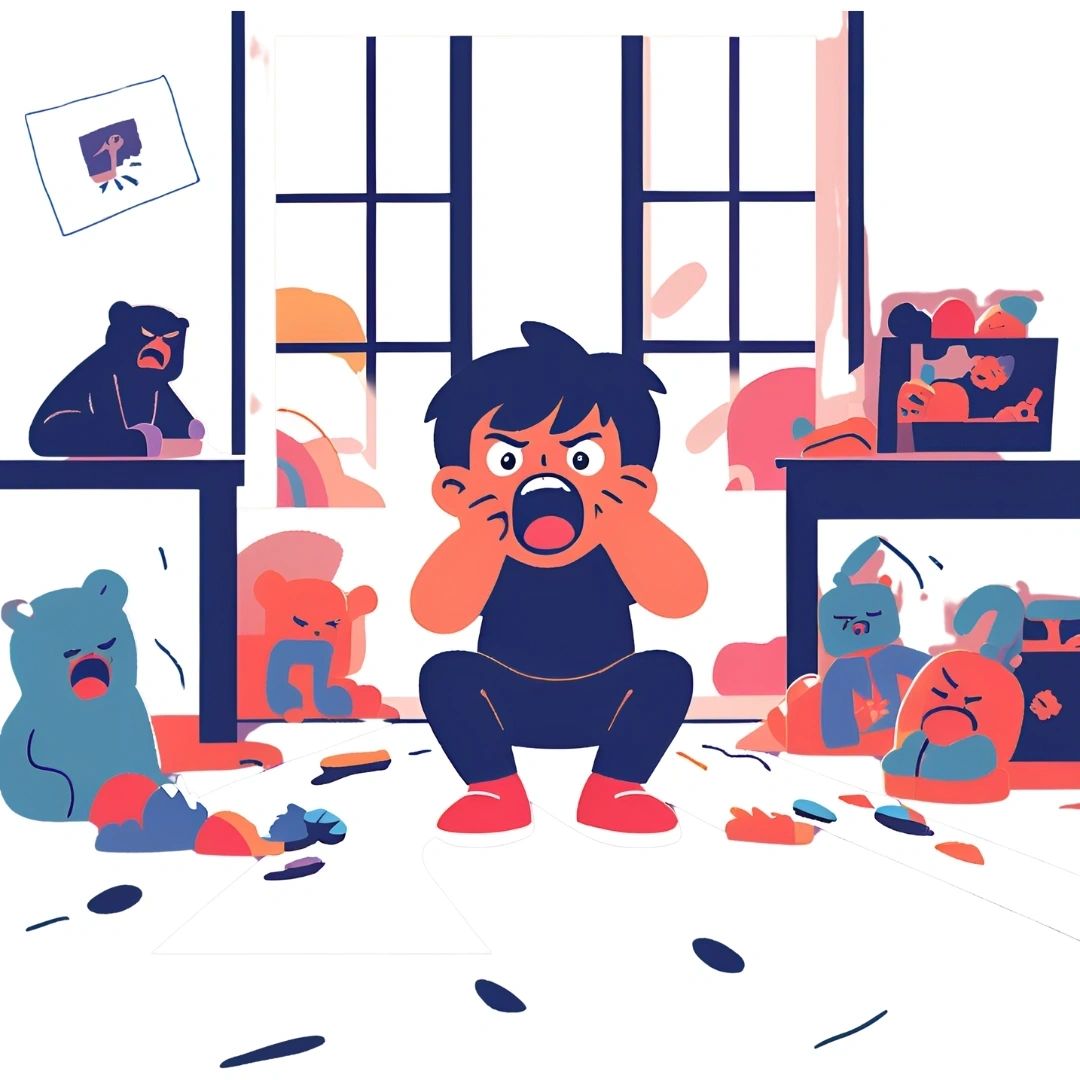
Why language matters in behaviour management…
As an early childhood educator, you already know how important language development is for children. But did you know that improving language skills can also lead to better behaviour outcomes? When children can express themselves clearly, they are less likely to feel frustrated, overwhelmed, or misunderstood—leading to fewer challenging behaviours.
Take a moment to think about the children in your service who have excellent language. I bet when you sit down to write their learning stories it comes easily. They probably don’t have big behaviours. They probably get along with plenty of other children.
Now think about the children in your service whose language isn’t quite where it should be for their age. When you sit down to write your learning stories, is it harder? Are they the ones who you have to spend a lot of time writing up incident reports for? Calling parents?
I work with a number of children providing early language intervention. When I interview their educators, they often are mostly concerned with behaviour – which makes perfect sense – biting, hitting, screaming, it’s not fun for anyone. But what I have seen is that once we get that child’s language back on track, their problem behaviours come down. And that takes a team response. You – the “boots on the ground” – is what makes that happen.
Language as a Tool for Expression
Children, especially in the early years, often struggle to express their thoughts, feelings, and needs verbally. When they can’t find the words to describe their emotions or desires, it can result in frustration. This frustration may lead to behaviours like tantrums, aggression, or withdrawal. But when children have the ability to communicate, even with simple signs or gestures, they feel heard and understood, which can reduce the likelihood of these challenging behaviours.
Key Word Signing (baby sign language) is a great example of a tool that helps children communicate more effectively. By pairing a sign with a spoken word, children can use their hands to express themselves before they have fully developed verbal skills. This not only gives them a sense of control over their environment but also helps them feel more confident and less stressed in situations where they would typically struggle.
Improved Communication Leads to Emotional Regulation
One of the biggest benefits of improving language skills is emotional regulation. When children have the vocabulary to name their feelings, they are better equipped to manage them. For example, a child who can sign “angry” or “sad” is less likely to act out when they feel upset, because they have a way to communicate their emotions.
AND when caregivers and educators model and reinforce Key Word Signing, it helps children understand that it’s okay to express how they feel. This then fosters emotional intelligence. When a child feels secure in knowing that they can express themselves and be understood, it leads to calmer, more positive behaviour overall.
Creating a Calm and Responsive Environment
When language development is prioritized, a calm and responsive environment is created where children feel more secure. They know that they are not alone in trying to navigate their emotions or solve problems. Instead of feeling overwhelmed by the inability to express themselves, children with better language skills are more likely to feel confident in their interactions. This sense of confidence contributes to a more harmonious classroom or childcare setting where positive behaviour flourishes.
The links between better language skills and positive behaviour outcomes are clear. By focusing on language development—whether through Key Word Signing or other methods—you can empower children to be active participants in their centre community, feel more in control of their emotions, reduce frustration, and promote positive behaviours. A child who can communicate effectively is a child who is more likely to feel understood, valued, and secure. So, next time you work with a child, remember that by strengthening their ability to communicate, you’re also setting the stage for more positive and meaningful behaviour.
